

Views: 145 Author: Site Editor Publish Time: 2026-08-15 Origin: Site


Effective surface preparation dictates the longevity and quality of any new coating. Aggressive removal methods often compromise the delicate base material underneath. Standard grinding wheels easily gouge soft metal surfaces. Meanwhile, traditional sandpaper clogs instantly when you tackle thick paint, elastomeric coatings, or heavy oxidation. Selecting the right abrasive requires balancing aggressive material removal with strict substrate preservation. You must carefully factor in disc density, abrasive grain type, and tool compatibility. This article explores how non-woven open-web abrasives revolutionize tough material stripping. We will examine the hidden costs of improper tool selection in modern body shops. You will learn how to decode standard industry color grading systems. We will also cover vital safety practices and correct application techniques. Understanding these core principles helps you avoid catastrophic substrate damage. It dramatically improves your shop efficiency and final finish quality. You will discover how to match specific web structures to your exact project needs.
Substrate safety: Non-woven nylon web discs remove coatings without altering the dimensional integrity of the underlying metal.
Color-coded stiffness: Strip discs are graded by color (Black, Blue, Purple), each correlating to stiffness, grain type, and optimal use-case.
Clog resistance: Open-web designs prevent loading, making them the most cost-effective choice for gummy paint removal.
Tool matching: Discs must be matched to grinder arbor sizes (commonly 7/8") and maximum RPM ratings to ensure safety and prevent premature disintegration.
Many operators reach for solid grinding wheels to strip tough rust quickly. This aggressive choice inadvertently thins structural sheet metal. Flap discs easily bite into soft automotive substrates. You then face costly filler work to level the ruined surface. Sometimes, the physical damage requires complete part replacement. Precision matters immensely during delicate vehicle restoration projects. Solid abrasives remove the precious base material alongside the targeted coating. Chemical strippers present an alternative, but they create highly toxic sludge. Mechanical removal remains faster and cleaner, provided you use the correct open-web technology.
Heat warping presents another serious structural risk. Friction heat accumulates rapidly from inefficient, dull abrasives. Excessive manual user pressure exacerbates this temperature buildup. High heat causes severe panel distortion on thin car doors or hoods. Warped metal requires extensive, specialized labor to shrink and correct. It delays timelines and frustrates paying clients.
Consumable waste also plagues inefficient preparation workflows. Standard sandpaper fails incredibly quickly during heavy stripping jobs. Thick coatings cause immediate material loading. The abrasive grit fills completely with gummy residue. You must throw away nearly new sandpaper pads constantly. This frustrating cycle drives up material costs significantly. It also bloats labor time as workers constantly stop to swap out ruined pads. Choosing appropriate open-web designs eliminates this expensive daily downtime.
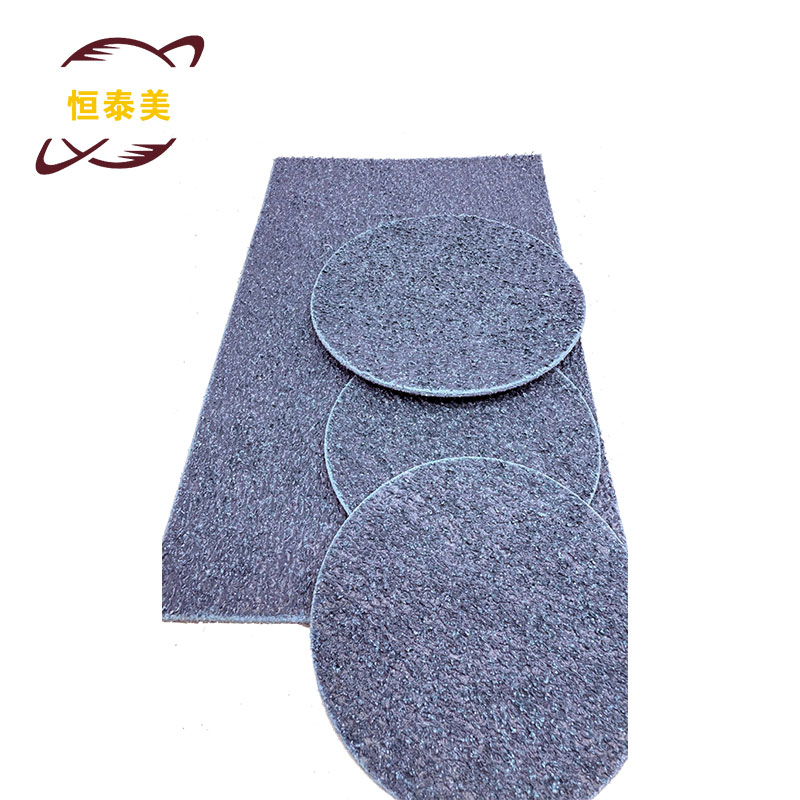
Manufacturers utilize a standardized color system to indicate web stiffness. You must decode these simple colors to prevent accidental substrate damage. Each hue correlates to specific abrasive grains and varying density levels.
These feature a highly flexible nylon web embedded with sharp silicon carbide. Black discs handle light surface rust perfectly. They excel at thin Paint removal tasks. The flexible physical structure conforms effortlessly to curved surfaces. They adapt to irregular profiles without gouging the underlying metal. You can clean intricate stamped steel parts safely and effectively.
Blue options utilize a considerably denser web structure. They often incorporate specially treated nylon for enhanced physical durability. They strip medium rust and thick mill scale effectively. They serve as the ideal choice for general automotive body panel stripping. You get much better durability on sharp edges compared to standard black versions. They resist tearing when snagged on sharp corners.
Purple variants feature an extremely rigid, aggressive web. They use premium ceramic or specialized ceramic-alumina blends. They tackle thick marine coatings effortlessly. They strip heavy scaling and industrial rust rapidly. A purple Nylon Sanding Disc maximizes operational lifespan under harsh conditions. However, you must apply it completely flat. Angled use catches edges and shreds the rigid material prematurely.
Color Grade | Web Composition | Best Application | Relative Flexibility |
|---|---|---|---|
Black (Standard) | Flexible Nylon + Silicon Carbide | Light rust, thin paint, curved contours | High |
Blue (Heavy Duty) | Dense Treated Nylon | Medium rust, flat auto body panels | Medium |
Purple (Extra Coarse) | Rigid Web + Ceramic Blend | Marine epoxy, heavy industrial scale | Low |
Abrasive grain material dictates cutting speed and finish quality. Silicon carbide offers a sharper, more aggressive initial cut. It works faster and runs noticeably cooler on flat sheet metal. Aluminum oxide provides superior long-term durability. It handles heavy deburring tasks better than silicon carbide. Premium ceramic grains self-sharpen continuously during use. They dominate heavy-duty industrial applications requiring maximum tool longevity.
Web openness measures the specific void-to-fiber ratio. This exact porosity matters immensely for shop efficiency. Higher porosity guarantees non-loading performance. It easily sheds soft, gummy coatings like rubberized sealants and heavy undercoatings. A tight web clogs instantly on these sticky surfaces. Always evaluate the porosity visually before stripping pliable adhesives.
Backing structure defines your precise tool compatibility options.
Fiberglass backing (Type 27/29): Designed specifically for powerful right-angle grinders. These rigid plates provide high stability. They withstand firm pressure during aggressive stripping jobs. Type 27 features a flat profile, while Type 29 offers a slight angle for better surface contact.
Shaft-mounted (1/4" shank): Built for fast die grinders and standard power drills. These enable delicate, pinpoint precision work. They fit perfectly into tight spaces, narrow channels, and sharp inside corners.
Scalability directly impacts your project timeline and shop budget. Consider the upfront cost of premium purple or ceramic discs carefully. They cost more initially than basic black options. However, they drastically reduce manual labor time. You experience reduced change-out frequency on large-scale commercial projects. Less machine downtime translates directly to faster project completion and higher profit margins.
Different industries leverage these specialized tools for highly unique challenges. Automotive restoration demands absolute operator finesse. You must strip clear coats, stubborn Bondo, and tough OEM paint. The primary goal involves cleaning steel and aluminum auto body panels perfectly. You must accomplish this without gouging the extremely soft aluminum skin. Open-web abrasives leave the delicate substrate perfectly intact.
Industrial and structural steel projects require sheer brute force. Workers remove heavy oxidation from massive steel I-beams. They strip stubborn welding slag off thick diamond plate flooring. Stiff, ceramic-infused purple discs handle these harsh environments beautifully. They expose bright bare metal quickly. This prepares the surface for immediate fresh welding or industrial epoxy coating.
Specialty maintenance covers highly unique niche tasks. Consider the routine maintenance of professional smoking meat equipment. Enthusiasts constantly remove food-safe rust and baked carbon buildup. They clean massive smoker fireboxes and heavily soiled grill grates. This specific application requires rigorous post-strip cleaning to ensure strict food safety. The open-web design removes hard baked-on carbon effortlessly. It accomplishes this without destroying the thick steel firebox walls.
Wood and masonry applications require extreme operational caution. You can use light-duty black nylon discs carefully. They remove peeling deck stain quite efficiently. They clear spray-paint graffiti off brick walls well. However, you must proceed very lightly. Coarse discs will quickly eat into softwoods. They easily alter delicate wood grains or permanently scratch soft brick faces.
Operators must respect strict rotational RPM limits at all times. Matching the disc’s maximum RPM rating with the tool is highly critical. Running a 6,000 RPM-rated 4.5" disc on an 11,000 RPM angle grinder spells instant disaster. Extreme centrifugal force tears the fragile nylon web apart rapidly. This causes catastrophic disc failure and shoots dangerous debris outward. Always read the printed warning label before mounting the abrasive.
Toxicity and dust mitigation require careful advance planning. Aggressive stripping atomizes hazardous materials directly into your breathing zone. You must manage these atomized hazards safely. Respirators like properly fitted N95 or P100 masks are completely mandatory. Vacuum extraction shrouds capture toxic dust at the source. Dust collection shrouds easily attach to most modern angle grinders. They actively pull debris into a HEPA vacuum. This proves vital when suspecting old lead-based paint. It also protects you from highly toxic marine anti-fouling coatings.
Application technique separates true professionals from struggling amateurs. Emphasize a strict "let the tool do the work" approach. The abrasive grains need light, steady contact to slice through thick coatings. Applying heavy manual pressure melts the synthetic nylon matrix. Let the tool RPMs do the heavy lifting. The tips of the abrasive grain perform the cutting action. Forcing the pad down crushes these microscopic tips. Friction heat smears melted plastic resin onto the workpiece. This ruins the expensive disc permanently. It also leaves a stubborn, sticky mess behind.
Follow a highly structured approach to select your ideal abrasive tool. Guessing leads to ruined base materials and wasted money.
Identify the substrate. Evaluate the underlying base material first. Thin, fragile sheet metal requires flexible Black or Blue variants. Thick structural steel easily tolerates rigid Purple options.
Assess the coating type. Analyze exactly what you need to remove. Hard, brittle rust calls for tough ceramic grain. Gummy, rubberized undercoating needs maximum open-web silicon carbide. This prevents frustrating loading issues.
Verify tool compatibility. Check your power tool specifications carefully. Ensure the arbor size matches the grinder perfectly. Common sizes include 5/8"-11 or 7/8". Confirm sufficient physical clearance for all mandatory safety guards.
Trial phase. Never guess on a large-scale job. Purchase a mixed multi-pack initially. Test the disc behavior on a discreet, hidden section of the material. Observe the resulting scratch pattern. Proceed to bulk-ordering only after verifying perfect results.
Nylon sanding discs represent the absolute optimal balance for surface prep. They deliver incredibly aggressive coating removal. Simultaneously, they ensure strict, reliable substrate preservation. This unique combination easily outperforms traditional wire wheels and solid grinding stones. They eliminate the secondary damage caused by overly harsh abrasives.
Base your final purchasing decision on specific project variables. Evaluate the exact density of the target coating. Consider the physical fragility of the base metal. Do not choose based solely on the cheapest unit price. Premium abrasives often save substantial, expensive labor hours. They reduce operator fatigue and speed up production lines.
Take immediate action before your next prep job. Evaluate the arbor size and maximum RPM of your primary grinding tool. Select the appropriate color-coded stripping disc. Match the web porosity to your specific challenge. Begin your surface prep workflow with absolute confidence and precision.
A: Yes, for flat panels. Nylon discs remove material faster, run cooler, and don't shed dangerous metal wires. Wire wheels are better strictly for deep pits and tight corners.
A: Yes, but only standard-duty (black) discs with light pressure. Coarse discs will quickly eat into softwoods and alter the wood grain.
A: Melting occurs due to excessive friction heat. This is caused by pressing too hard, running the disc at an RPM higher than rated, or lingering in one spot too long.
A: If the disc has a built-in fiberglass backing plate (Type 27), it mounts directly to the angle grinder. If it is a flat, unbacked disc, a dedicated backing pad is required.


